
The loss of power in your car is one of the most common problems drivers can experience. When a car starts to struggling to accelerate, slow to respond, or losing power on inclines, it's a sign that something isn't working correctly in the engine or one of its systems.
Detecting the cause of this problem in time is crucial to avoid major damage and costly repairs. In our workshop, we have years of experience in diagnosing and repairing performance issues, using professional diagnostic tools to precisely identify the root cause of the problem.
In this article, we explain the main causes of engine power loss and how they can be fixed.
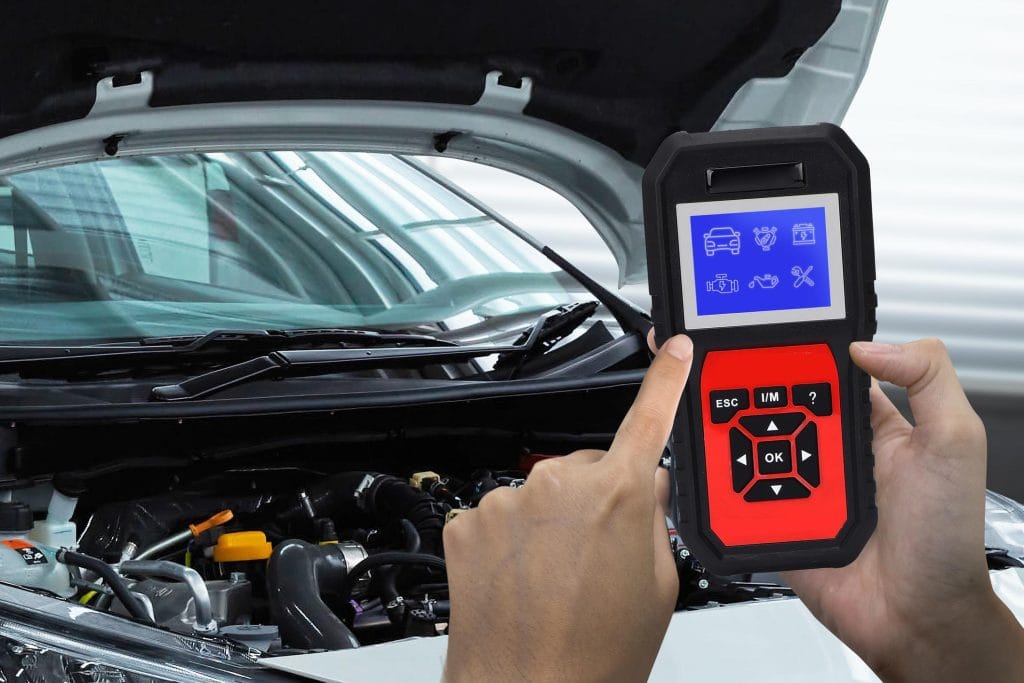
What is power loss in a vehicle?
Loss of power occurs when the engine lacks the necessary power to move the vehicle efficiently. This can manifest in different ways:
- The car is slow to accelerate
- Difficulty climbing hills
- Lack of throttle response
- Sensación de motor “pesado” o forzado
This problem may have various mechanical or electronic causes, so it's important to perform a professional diagnostic.
Main causes of engine power loss
1. Clogged EGR valve
A dirty or blocked EGR valve can affect the air-fuel mixture, causing the engine to lose performance.
Carbon build-up prevents the valve from working correctly, causing combustion failures and power reduction.
2. Dirty air filter
The air filter is responsible for allow clean air into the engine. When it's clogged with dirt or dust, the engine receives less oxygen.
This causes:
- Poor combustion
- Lower performance
- Slower acceleration
A simple filter change can solve this problem.
3. Problems in the injection system
The dirty or faulty injectors can cause the fuel not to atomize correctly inside the engine.
This generates:
- Loss of power
- Jerking when accelerating
- Higher fuel consumption
A cleaning or repair of the injection system is often necessary in these cases.
4. Turbo faults
In turbocharged vehicles, a failure in the turbo or in the pressure system can cause a significant loss of power.
Some symptoms include:
- Lack of power when accelerating
- Unusual turbo whistling sounds
- Excessive smoke from the exhaust
A timely diagnosis can prevent major damage to the system.
5. Defective MAF sensor or engine sensors
Modern engines rely on multiple sensors to function correctly. If any of them fail, the vehicle's computer can receiving incorrect data and reducing engine performance.
Among the most common sensors that cause power loss are:
- MAF sensor (air flow)
- MAP Sensor
- Turbo pressure sensor
- Oxygen sensor
6. Blocked catalytic converter or exhaust system
When the catalytic converter or the exhaust system are blocked, engine gases cannot exit correctly.
This causes the engine to lose power and work harder, affecting its performance.
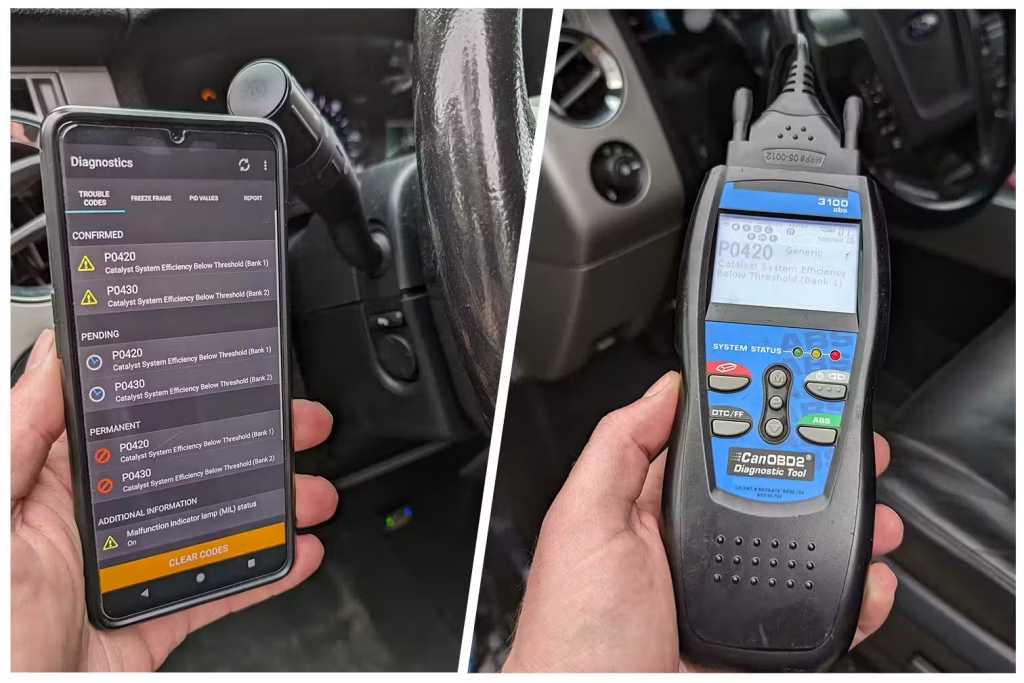
Importance of performing a professional diagnostic
Many drivers try to identify the cause of power loss on their own, but this problem can have multiple origins.
In our workshop, we perform a complete vehicle diagnostics, which includes:
- Electronic diagnostic scan of the engine system
- Sensor and error code check
- Intake and exhaust system inspection
- Injection system check
- Turbo and engine pressure evaluation
This process allows accurately diagnose the root cause of the problem and apply the appropriate solution.
Our experience solving power loss problems
We have years of experience in engine diagnostics and repair, which allows us to quickly identify any faults affecting your vehicle's performance.
Our team works with professional diagnostic tools and specialized procedures, ensuring a reliable and efficient service.
We've helped countless clients recover the power and performance of your vehicles, solving problems ranging from simple faults to more complex breakdowns.
Need a trustworthy workshop?
If you need a reliable workshop in Palma de Mallorca, at Zamule Cars We specialize in electromechanics, diagnostics, and comprehensive maintenance. We offer no-obligation advice.
Write us on WhatsApp | Tel: 682 931 164
 English
  Español
  Deutsch